

Health of the Soil
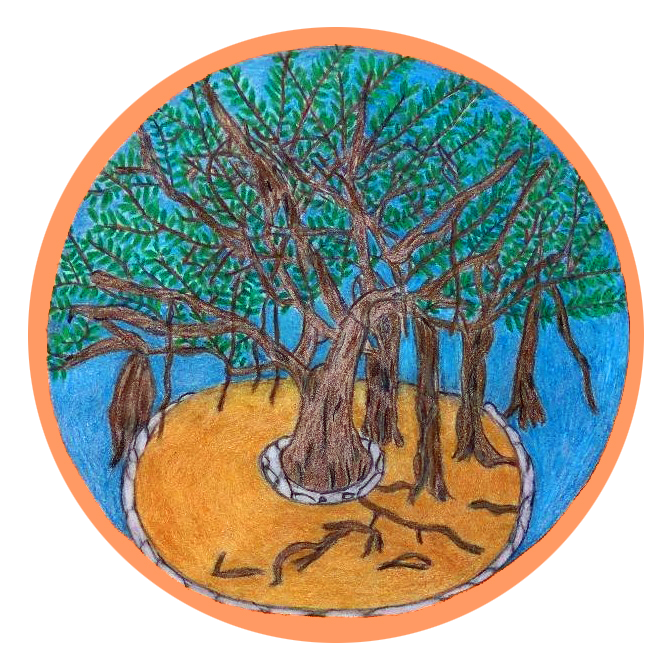
Cultivation of land for food production has historically been linked to human survival. In recent years there has been a remarkable awareness of the proper use of natural energy resources and especially of the conservation of the soil ecosystem.

Soil is one of nature's most complex ecosystems and contains a huge number of different organisms that help maintain its flora and soil fertility. Healthy soils are characterized by numerous beneficial and non-beneficial organisms. These "inhabitants" of the land,
produce enzymes that act as catalysts that help break down protein and organic compounds.
This process allows the cultivated plants to extract more nutrients from the soil while at the same time, our body is fed with food rich in enzymes which makes it very digestible.
It is important to note that the activity of enzymes is higher in soils that have not been sprayed with pesticides than in conventional soils.

Let's see below some traditional and modern forms of cultivation that support the balance of soil biodiversity.
Natural cultivation
Masanobu Fucuoca is the one who inspired and applied the method of natural cultivation. Human intervention is minimal, the land is not plowed or dug and the soil is enriched with dry leaves, and roots from previous crops. Soil moisture is ensured by covering it with straw.
Biodynamic agriculture
The inspirer of biodynamic cultivation is Rudolph Steiner who believed in the cosmic effects of celestial bodies. The sowing and harvesting phases are coordinated with the phases of the moon. The soil is enriched with humus and for the control of pests a liquid is prepared with natural ingredients whose method of preparation is reminiscent of that of homeopathic medicines.
Organic farming
In organic farming the soil is enriched with natural materials and compost.
Any form of chemical intervention to treat pests and insects is avoided. Organic farming is based on living ecosystems and contributes to their conservation through sustainability, ie the protection of natural resources so that future generations can benefit equally.
The above forms of agriculture protect rare seeds and varieties of vegetables and fruits that are in danger of being lost due to the trend of intensive cultivation.
Photo by BAY


Comments